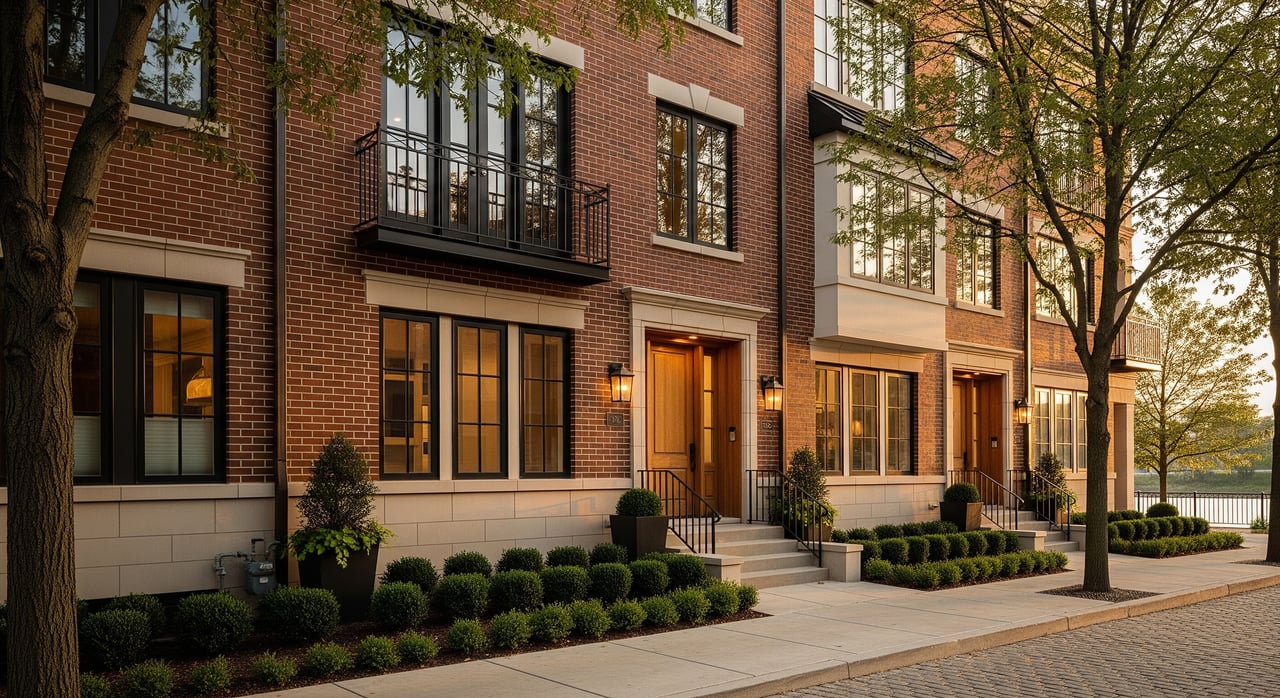
Ever picture your morning coffee on a balcony, a quick stroll to the Riverwalk, and dinner just a few steps from your door? If you want an urban vibe without leaving the comfort and community of Naperville, a downtown townhome can be a great fit. In this guide, you will learn what daily life feels like, the types of townhomes you will find, how commuting and parking work, and the key questions to ask before you buy. Let’s dive in.
Downtown rhythm and Riverwalk life
Downtown Naperville centers on Main Street and the Riverwalk, so your days often include short walks to coffee, dinner, and community events. The Riverwalk is a local favorite for casual walks, jogging, and light biking, and it adds a relaxed outdoor feel to everyday routines. Seasonal festivals and lively patios create an active pedestrian scene, especially on evenings and weekends.
Walkability at your door
You can handle most errands on foot. Expect quick access to independent restaurants and bars, bakery and coffee shops, small specialty retail and services like salons and dry cleaners, a movie or theater venue, and civic amenities such as the library. Living here means you can meet friends on short notice, try new spots without a drive, and keep weeknights easy.
Culture, parks, and seasonal events
Along with the Riverwalk, you are close to public parks and playgrounds, Naperville Park District facilities, Naper Settlement, and Centennial Beach. Downtown hosts farmers markets, holiday lighting, and other events that change by season and organizer. This steady calendar of activities gives the neighborhood an ongoing sense of energy and place.
Who chooses downtown townhomes
Downtown townhomes tend to attract a mix of empty-nesters who want low maintenance, young professionals who value transit and nightlife, and local move-up buyers who want a walkable lifestyle. Compared with a single-family subdivision, you will notice more evening activity, more pedestrian traffic, and a bit more street noise at times. For many buyers, that tradeoff is worth the convenience and connection to local amenities.
Townhome styles and features
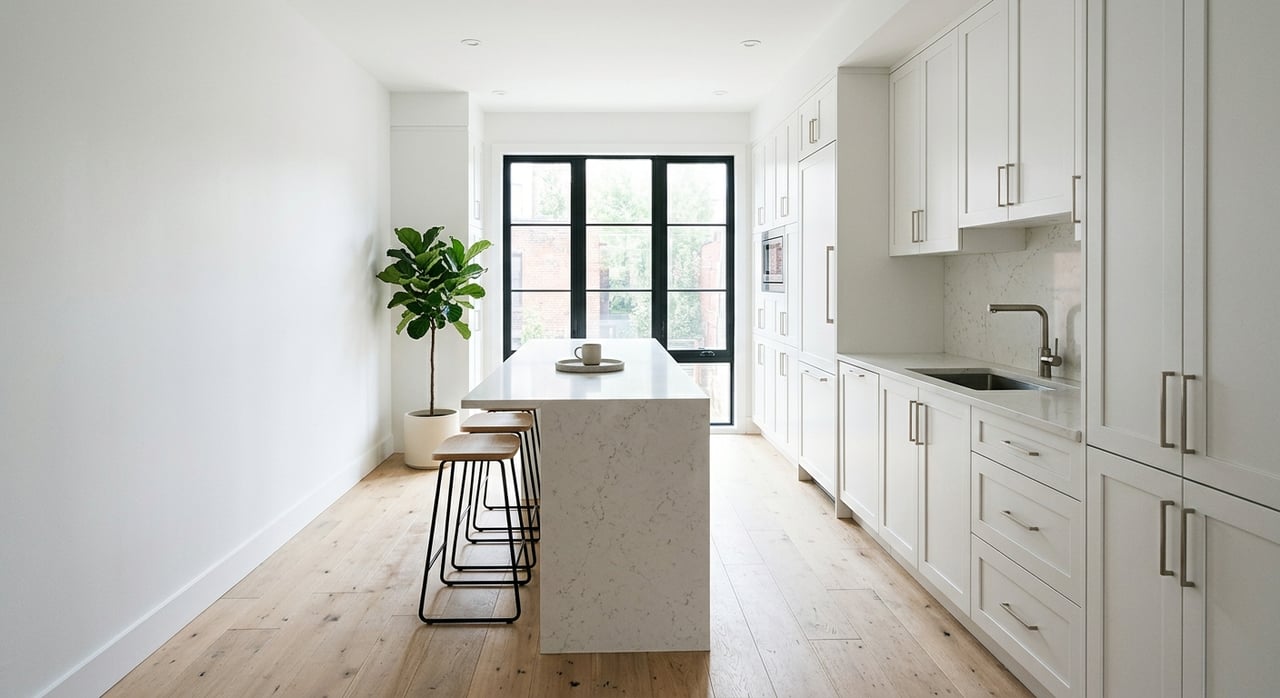
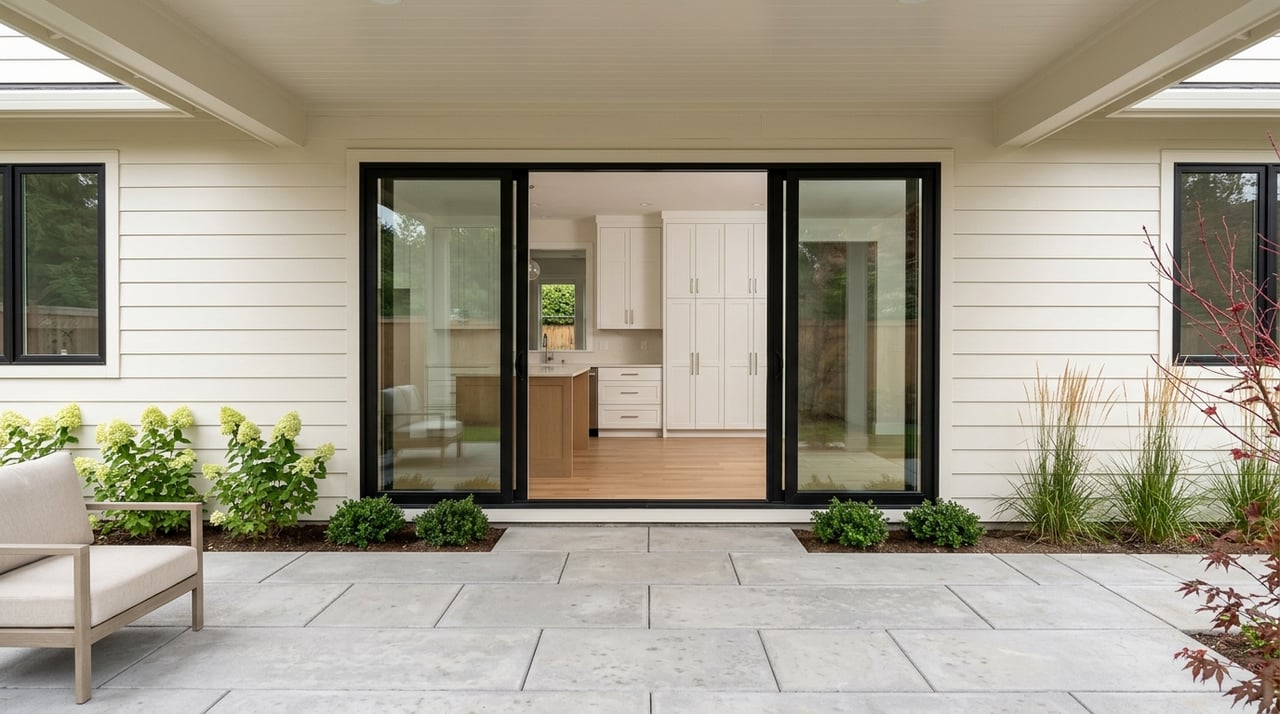
The product mix includes attached townhomes with integrated garages, stacked condominium townhomes, and a smaller number of newer luxury options with modern finishes and, in some cases, rooftop decks. Most homes offer 2 to 3 bedrooms, a floor with the main living space, and an attached 1 to 2 car garage. You will often have a small balcony or patio and community or HOA maintained exterior areas.
New homes versus older stock
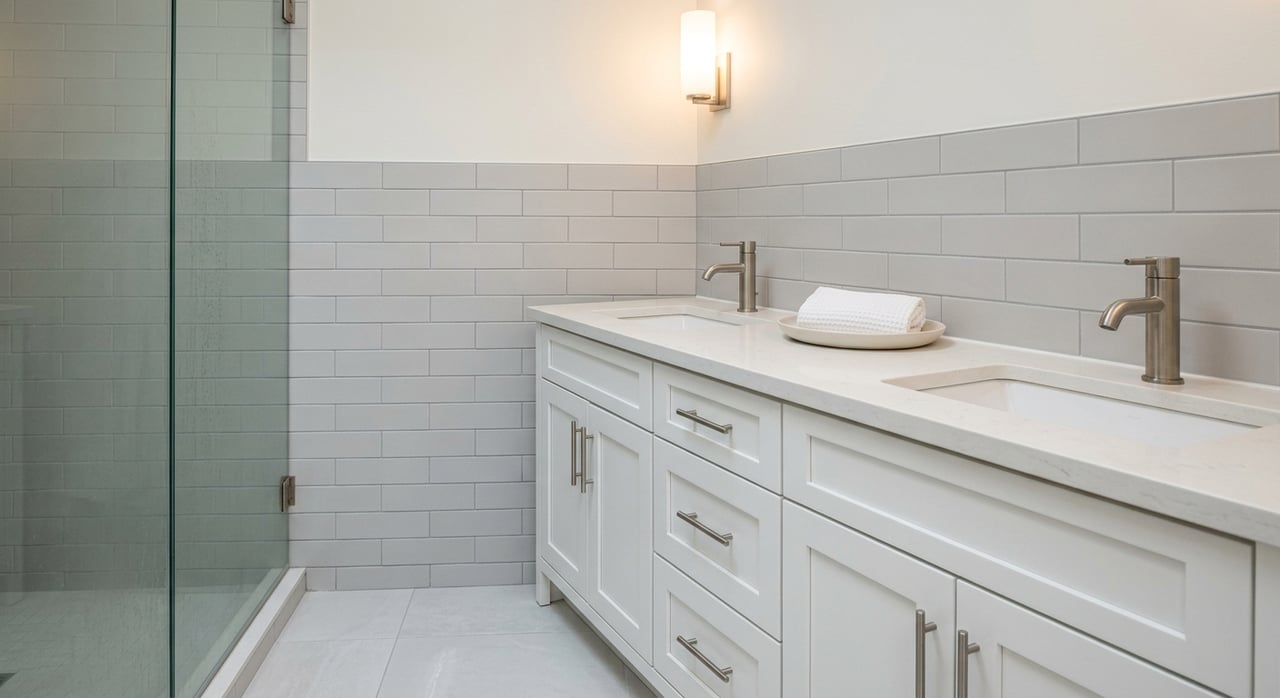
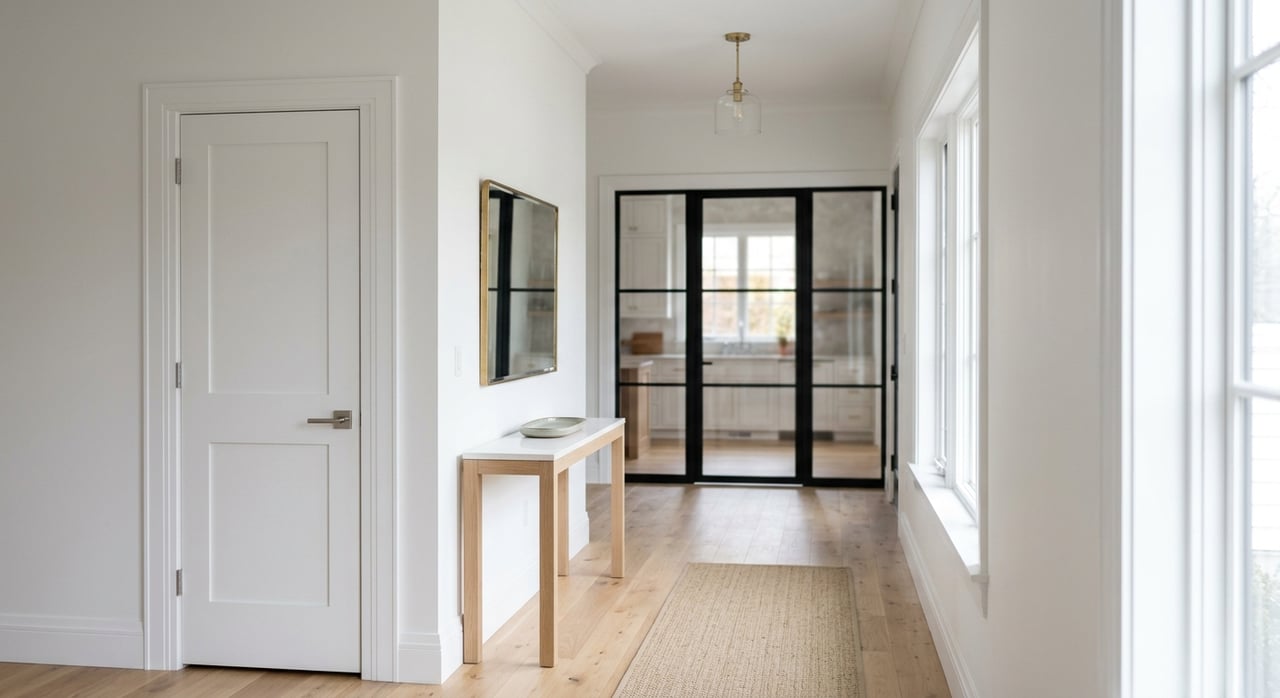
New construction and recently renovated homes command higher prices and typically include updated systems and open layouts. Older townhomes can offer larger rooms or classic details but may need system updates over time. Decide whether turnkey convenience or value with planned upgrades better fits your budget and timeline.
Market dynamics to expect
Inventory for downtown townhomes is tighter than for many suburban single-family areas. Desirable homes near the Riverwalk and Main Street, especially with private parking, often move quickly when the market is active. Pricing reflects the premium location and walkable lifestyle, and exact numbers and days on market change with conditions, so plan to review current data when you are ready to act.
Commute, transit, and driving
Downtown Naperville residents often rely on the Metra BNSF Line to Chicago’s Union Station. Travel times vary by train and schedule, and riders choose between express and local options based on their needs. Pace suburban buses serve the area on designated routes, and many buyers also drive to nearby employment centers with access to I-88 and I-355. Traffic can be heavier at peak times, so build a buffer for weekday mornings and late afternoon drives.
Plan your routine
If you expect to commute, map out a few options before you buy. Try different Metra trains, consider walking or biking to the station if practical, and note where you prefer to park if you plan to drive. A quick test run during peak hours will help confirm your best option.
Parking and guest logistics
Many downtown townhomes include at least one dedicated space or an attached garage. Always confirm how many spaces come with the property and whether parking is deeded or assigned by the HOA. The city maintains metered on-street parking, municipal lots, and garages for visitors, and event days can make guest parking tighter than usual.
HOA and city rules can affect overnight street parking, permits, or guest limits. Some buildings offer bike storage and support short bike trips around downtown. If you host often, plan ahead for guests during peak event weekends.
Before you buy, confirm:
- Number and type of assigned parking spaces, including whether they are deeded or HOA assigned.
- Municipal parking rules and any event or seasonal restrictions that affect guests.
- HOA policies on guest parking and overnight rules.
HOA fees, rules, and ownership costs
Many associations cover exterior maintenance, landscaping, snow removal for common drives, and upkeep of shared areas. Some HOAs include certain utilities or maintain reserve funds for capital repairs. Fees vary widely by development and can materially affect your monthly costs, so request current budgets, meeting minutes, and the reserve study.
Rules can affect rentals, pets, exterior changes, short-term rentals, and parking procedures. If you plan to rent the home at any point, or you have specific needs for pets or renovations, confirm the details before you make an offer.
Inspections, insurance, and risk
Most townhome owners need an HO-6 policy for interior finishes and personal property, while the association’s master policy covers shared elements. Review the master policy to confirm coverage details and deductibles so you can set the right personal coverage level. For older buildings, have a professional check the roof condition, HVAC and water heater age, plumbing types, and any façade or deck maintenance needs.
Flood and Riverwalk proximity
Homes near the DuPage River can be in FEMA designated flood zones. Ask the seller for historical flood claims and review current FEMA flood maps for the property address. Flood insurance requirements depend on the flood zone and lender policies, so verify both before you finalize your budget.
Noise, events, and privacy
Downtown gives you easy access to restaurants and festivals, which can mean more activity during evenings and weekends. Street-facing or corner locations may feel busier than homes oriented to alleys or interior courtyards. If noise is a concern, check the unit orientation, window quality, and any sound mitigation features, and visit during peak hours.
Schools and city services
Downtown Naperville is within Naperville Community Unit School District 203 for K to 12 coverage. Exact school assignments depend on the property address, so verify boundaries and any current transfer or choice policies. Many buyers view Naperville as a safe suburban community, and downtown offers strong access to municipal services such as the library and city buildings. For the most accurate picture, review recent police data for specific blocks you are considering.
Buyer checklist for showings
- Confirm exact parking assignments and the guest parking policy.
- Get HOA documents, including the budget, reserve study, rules, and recent meeting minutes.
- Check FEMA flood maps and request the seller’s flood history.
- Review recent tax assessments and typical utility costs for the unit type.
- Schedule a thorough home inspection that covers roof, HVAC, plumbing, and moisture.
- Verify school assignments for the property address.
- Visit at night and on a weekend to gauge noise and event activity.
Is a downtown townhome right for you?
If you value walkability, low maintenance, and a lively neighborhood feel, a downtown Naperville townhome delivers a strong mix of convenience and community. You will trade a large yard for a small balcony, and a long drive for a stroll to dinner or the Riverwalk. With limited inventory and a premium on the best locations, being prepared on parking, HOA costs, and inspection items can help you move confidently when the right home appears.
If you want a design forward, low friction buying or selling experience tailored to downtown townhomes, connect with a local team that blends brokerage, design, and technical know-how. For clear guidance on product fit, finishes, and due diligence, reach out to Sachs Design + Develop for a Free Consultation.
FAQs
How walkable is Downtown Naperville for daily errands?
- Most residents can walk to restaurants, cafes, the library, small shops, and the Riverwalk for everyday needs, with seasonal events close by.
How does parking work for Downtown Naperville townhomes?
- Many homes include a garage or assigned space, while guest parking uses municipal lots and streets that can be limited during events, so confirm HOA and city rules in advance.
What is the Metra BNSF commute like from Naperville?
- The BNSF Line connects to Chicago’s Union Station with schedules that vary by train, and many downtown residents rely on it for a consistent commute.
What do HOA fees typically cover in a townhome?
- Associations often include exterior maintenance, landscaping, snow removal, and common area upkeep, with some covering certain utilities or reserves; review current budgets and rules.
Are homes near the Riverwalk in a flood zone?
- Some properties close to the DuPage River may fall within FEMA flood zones, so check official maps, ask for seller history, and confirm any insurance requirements with your lender.
Which public schools serve Downtown Naperville addresses?
- Addresses in Downtown Naperville fall within Naperville CUSD 203, but assignments vary by parcel, so verify the specific schools for each property address before you buy.