If you want the freedom to head out for a weekend, travel for a few weeks, or simply spend less time managing a property, downtown Naperville townhomes deserve a closer look. Many buyers love the idea of staying near the Riverwalk, restaurants, and the train while cutting back on exterior upkeep and yard work. The good news is that lock-and-leave living in this part of Naperville is not just a buzzword. It is tied to a very specific ownership model and lifestyle. Let’s dive in.
Why downtown Naperville works so well
Downtown Naperville offers a rare mix of walkability, convenience, and polished townhome living in a suburban setting. Instead of depending on a car for every errand or social plan, you can build much of your routine around a compact, pedestrian-friendly core.
A big part of that appeal is the Riverwalk. The City of Naperville describes it as a 1.75-mile network of brick paths, bridges, fountains, public art, memorials, and recreational spaces. In everyday life, that means your neighborhood can feel active and connected, not isolated.
The amenity mix matters too. According to the Downtown Naperville Alliance, the district includes more than 300 businesses, over 100 shops, and more than 50 restaurants. That concentration supports the kind of lifestyle many lock-and-leave buyers want: easy dining, coffee, wellness, and errands close to home.
What lock-and-leave really means
Lock-and-leave living does not mean zero responsibility. It usually means your home is designed and governed in a way that reduces the amount of exterior maintenance and site work you personally handle.
In downtown Naperville, that often points to attached townhomes or rowhomes with homeowners associations managing shared elements. Instead of caring for a large private yard or coordinating exterior upkeep on your own, you are typically part of a structure where common areas are maintained through the HOA.
That distinction is important. A lock-and-leave townhome can feel far easier to manage than a detached home, but it is still not fully hands-off in every respect. The real value comes from understanding exactly what the association maintains and what still falls to you.
What downtown townhomes typically look like
In downtown Naperville, attached housing is often boutique in scale rather than a large tower or sprawling complex. A recent planned unit development plat for Benton+Main, for example, shows 11 three-story luxury rowhomes on about 0.82 acres, with units ranging from roughly 2,615 to 4,012 square feet.
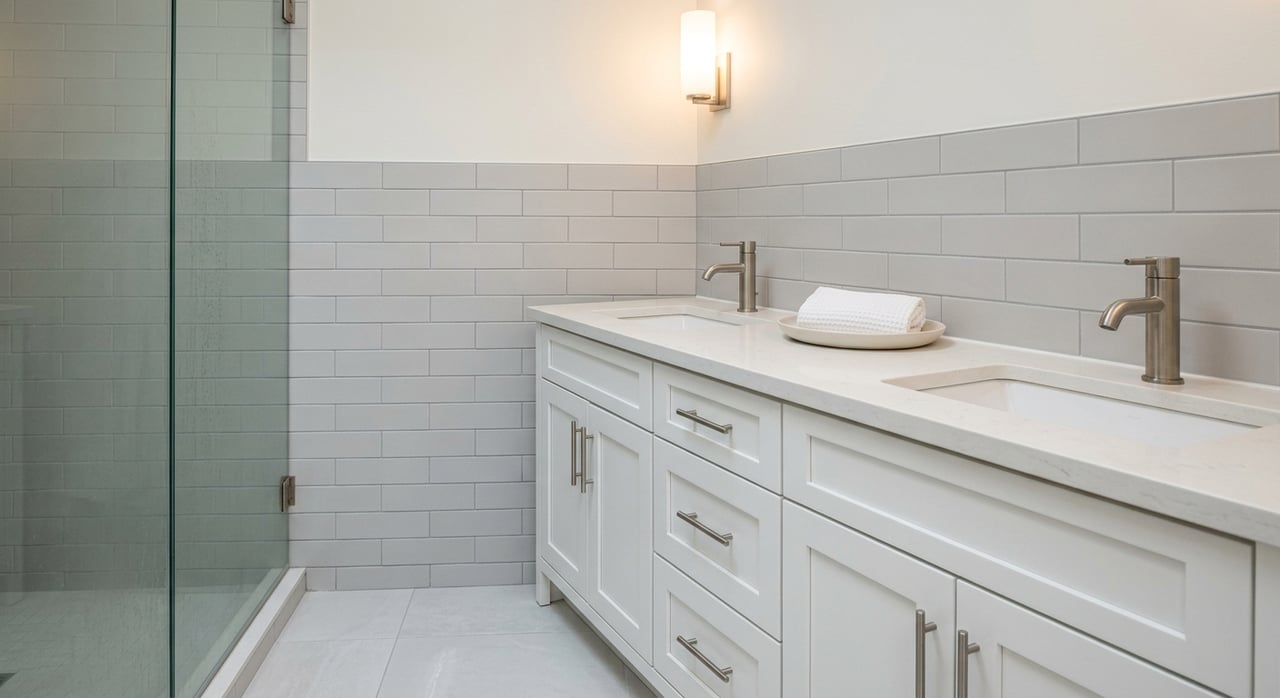
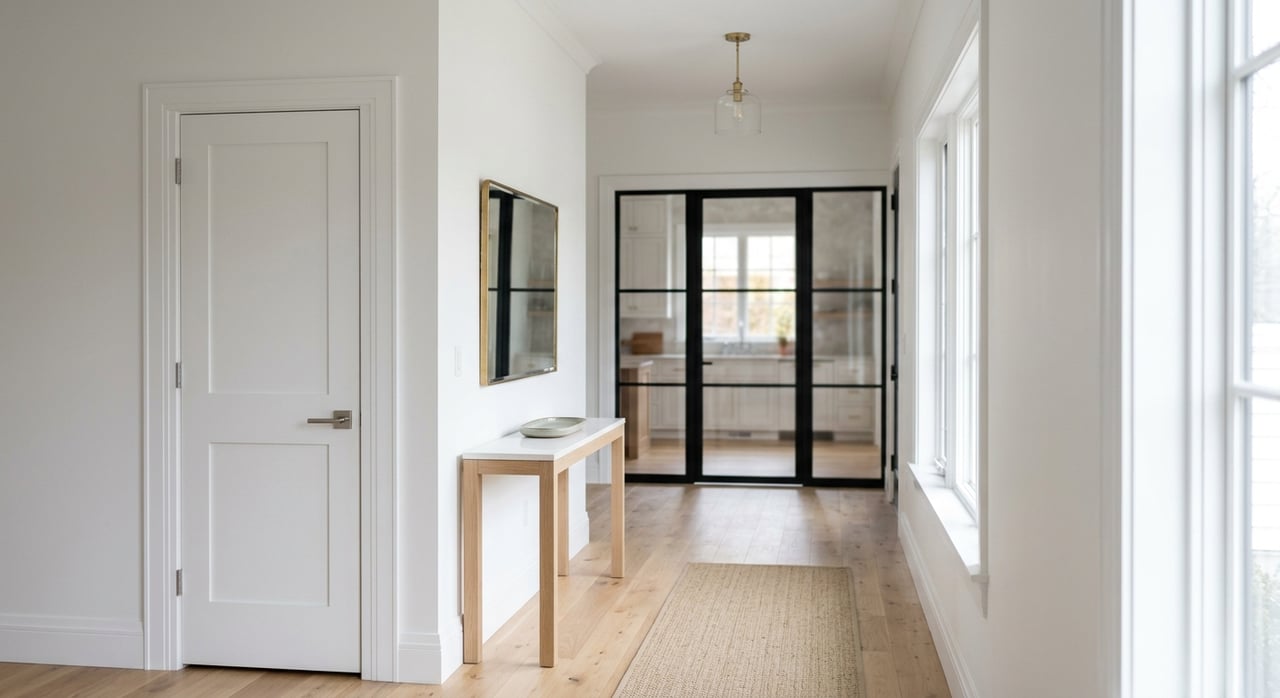
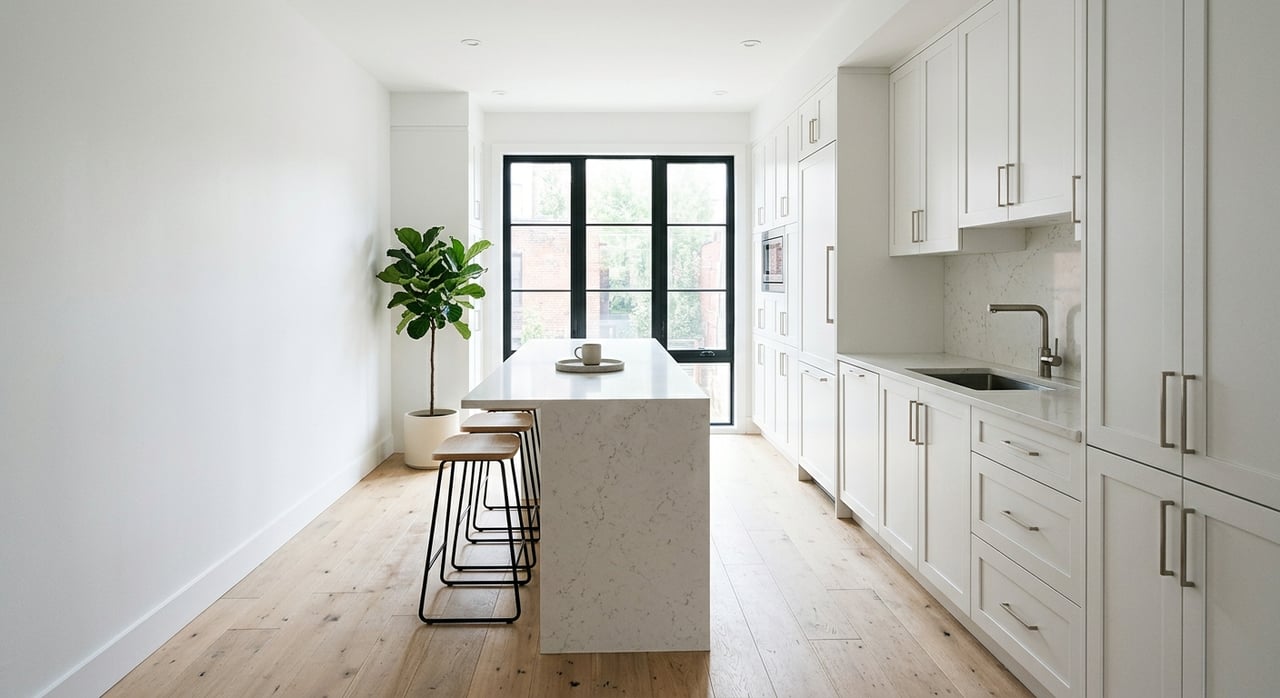
That tells you something useful about the local product. Many downtown townhomes are not entry-level substitutes for single-family homes. They are often premium, design-forward residences created for buyers who want a central location and a lower-maintenance lifestyle without giving up space or finish quality.
The same Benton+Main plans highlight features that fit this profile well:
- Attached two-car garages
- Private balconies
- Rooftop terraces
- Brick and stone masonry
- Oversized windows
- Pedestrian-oriented architecture
For many buyers, that combination is the sweet spot. You get a more urban, connected lifestyle with architecture and layouts that still feel substantial and private.
How the HOA supports low-maintenance living
The homeowners association is what makes the lock-and-leave model function. Without that structure, the convenience many buyers expect would be much harder to deliver consistently.
Illinois guidance states that association boards are responsible for the operation, upkeep, maintenance, replacement, and improvement of common elements. They also handle budgets, assessments, maintenance staffing when needed, and appropriate insurance.
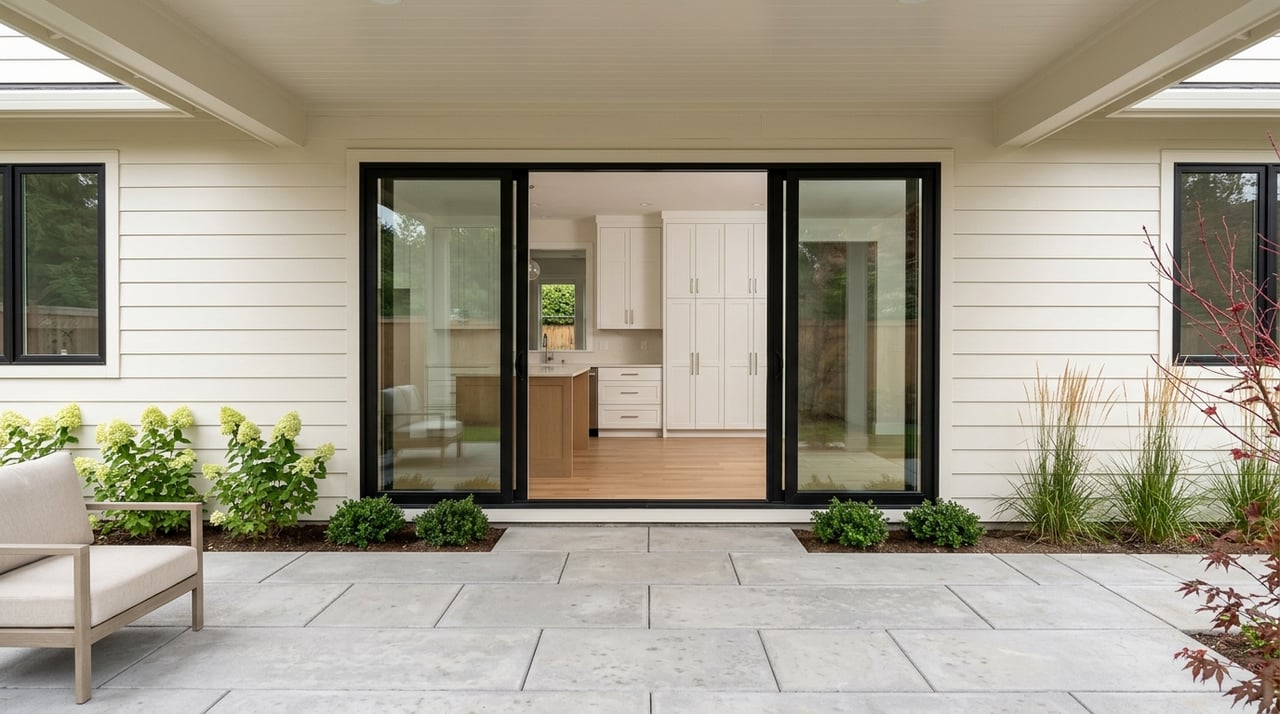
In practical terms, shared or limited common elements can include things like balconies, terraces, patios, parking spaces, roofs, outside walks, driveways, and landscaping. Those areas are generally maintained through assessments, which is why your day-to-day ownership experience can feel more streamlined than it would in a detached property.
What to review before you buy
Not every HOA covers the same items, and not every association is funded equally well. Before you assume a townhome is truly turnkey, you should review the documents that shape ownership and maintenance.
Key items to evaluate include:
- The declaration and bylaws
- Current budgets
- Insurance policies
- Any reserve study
- Rules on modifications to common or limited common elements
Illinois condominium guidance also notes that written board approval is generally required before modifying common or limited common elements. If you are design-focused and plan to personalize outdoor or shared-adjacent spaces, this matters.
The daily lifestyle advantage
For many buyers, the strongest case for downtown Naperville townhomes is not just lower maintenance. It is how that ownership model supports a smoother everyday routine.
If you work in the city, split time between homes, travel often, or simply want flexibility, commuter access is a real benefit. Naperville has two commuter rail stations, and the city identifies the Naperville Metra Station at 105 E. 4th Ave. as a key access point near downtown. The Downtown Naperville Alliance describes it as walking distance from the downtown core.
The city also notes that station parking is paid Monday through Friday from 6 a.m. to 6 p.m., then free after 6 p.m. on weekdays and on weekends. Pace provides all-day bus service between the Naperville and Route 59 stations, and bicycle parking is available at both stations. That creates useful options whether you commute daily or only occasionally.
Parking is organized, not casual
One adjustment some buyers need to make is understanding how downtown parking works. In a walkable core, parking is typically managed rather than unlimited.
The city maintains four downtown parking facilities and a real-time parking viewer. It also offers a no-cost CBD hang-tag program for downtown employees and residents, which provides time-unrestricted parking in designated locations.
For guests, most on-street parking is time-limited during the day. That does not make downtown living less attractive, but it does mean you should be comfortable with a structured system rather than assuming endless curbside parking.
Who this lifestyle fits best
Downtown Naperville lock-and-leave townhomes tend to appeal to buyers who want convenience without sacrificing design or location. That can include empty-nesters ready to simplify, professionals with busy schedules, or anyone who values being able to leave home with less day-to-day property stress.
This lifestyle can also make sense if you want premium finishes, attached-garage convenience, and close access to the Riverwalk and downtown amenities. In other words, you are not just buying square footage. You are buying a more efficient way to live.
Common tradeoffs to expect
There are tradeoffs, and it helps to be realistic about them from the start. Shared-wall and HOA-governed living usually comes with monthly assessments, rules around exterior changes, and less private yard space than a detached home.
That does not make the choice better or worse. It simply means the fit depends on your priorities. If your goal is freedom, location, and reduced exterior responsibilities, the trade may feel well worth it.
Why design and due diligence matter
In a market like downtown Naperville, the difference between a good townhome and a great one often comes down to details. Layout flow, finish level, garage function, outdoor space, common-area management, and document quality all shape how the home will live over time.
That is why buyers benefit from looking beyond marketing language. You want to understand the ownership structure, the maintenance framework, and the design choices that support everyday convenience. When those pieces line up, lock-and-leave living becomes a practical advantage, not just a sales phrase.
For buyers focused on premium downtown product, this is where experienced guidance matters. A boutique townhome purchase can involve design considerations, HOA review, and a close read of what is truly included in the lifestyle you are buying.
If you are exploring design-forward townhomes in downtown Naperville and want a more technical, locally informed perspective, Sachs Design + Develop can help you evaluate the options with clarity.
FAQs
What does lock-and-leave living mean in downtown Naperville townhomes?
- It usually means owning a townhome or rowhome where an HOA maintains shared common areas, helping reduce exterior upkeep and making travel or busy schedules easier to manage.
What amenities support lock-and-leave living in downtown Naperville?
- Downtown Naperville offers a walkable core centered around the Riverwalk, plus more than 300 businesses, over 100 shops, and more than 50 restaurants, according to the Downtown Naperville Alliance.
What features do downtown Naperville townhomes often include?
- Recent downtown rowhome plans show features such as attached two-car garages, private balconies, rooftop terraces, masonry exteriors, oversized windows, and pedestrian-oriented design.
What should buyers review in a downtown Naperville HOA before purchasing?
- You should review the declaration, bylaws, budget, insurance policies, reserve information, and any rules affecting balconies, terraces, parking, landscaping, or other common and limited common elements.
How does commuting work from downtown Naperville townhomes?
- Downtown residents have access to the nearby Naperville Metra Station, plus station parking, bicycle parking, and Pace bus service connecting the Naperville and Route 59 stations.
What are the tradeoffs of lock-and-leave townhome living in downtown Naperville?
- Common tradeoffs include monthly HOA assessments, shared-wall living, less private yard space, and rules on certain exterior or limited common element changes.