Wondering which pre-sale updates are actually worth it in Naperville’s District 203? If your home was built in the 1980s or 1990s, you may not need a full redesign to make a strong impression. In many cases, the best results come from targeted, design-smart improvements that help your home feel clean, current, and well cared for. Let’s dive in.
Why broad-appeal updates matter
Naperville is a high-value, owner-occupied market. The owner-occupied housing rate is 74.8%, the median value of owner-occupied homes is $540,200, and median household income is $155,105. District 203 also serves more than 16,000 students across 23 schools, which helps frame the area as a mature, established residential market.
The city’s housing stock also tells an important story. According to Naperville’s housing analysis, 54.8% of homes were built between 1980 and 1999. That means many sellers are working with homes that have solid layouts and good square footage, but may show their age through finishes, flooring, lighting, or baths that no longer feel current.
For many sellers in 60565 and the broader District 203 area, the goal is not to overbuild. It is to present an established home in a way that feels fresh, functional, and move-in ready to today’s buyer.
Start with condition first
Before you think about a dramatic kitchen or a major addition, focus on visible condition issues. That includes deferred maintenance, worn flooring, chipped paint, tired caulk lines, dated fixtures, and anything that makes a buyer think repairs will stack up after closing.
This matters even more right now because NAR reports that 46% of buyers are less willing to compromise on condition than they were previously. In practical terms, that means cosmetic wear is not just cosmetic. It can shape how buyers view the entire home.
A strong first pass usually includes:
- Repairing deferred maintenance
- Repainting walls in clean, neutral tones
- Refreshing or replacing worn flooring
- Updating dated light fixtures and hardware
- Addressing roof, siding, or window concerns if visible
If your budget is limited, this is where to spend first. A house that feels crisp and well maintained often outperforms a house with one expensive upgrade and several obvious flaws.
Refresh the kitchen, don’t overcomplicate it
Kitchens remain one of the most important spaces for buyers, and NAR’s 2025 Remodeling Impact Report estimates about 60% cost recovery for both a kitchen upgrade and a complete kitchen renovation. For most sellers, that points to a measured refresh rather than a full gut remodel.
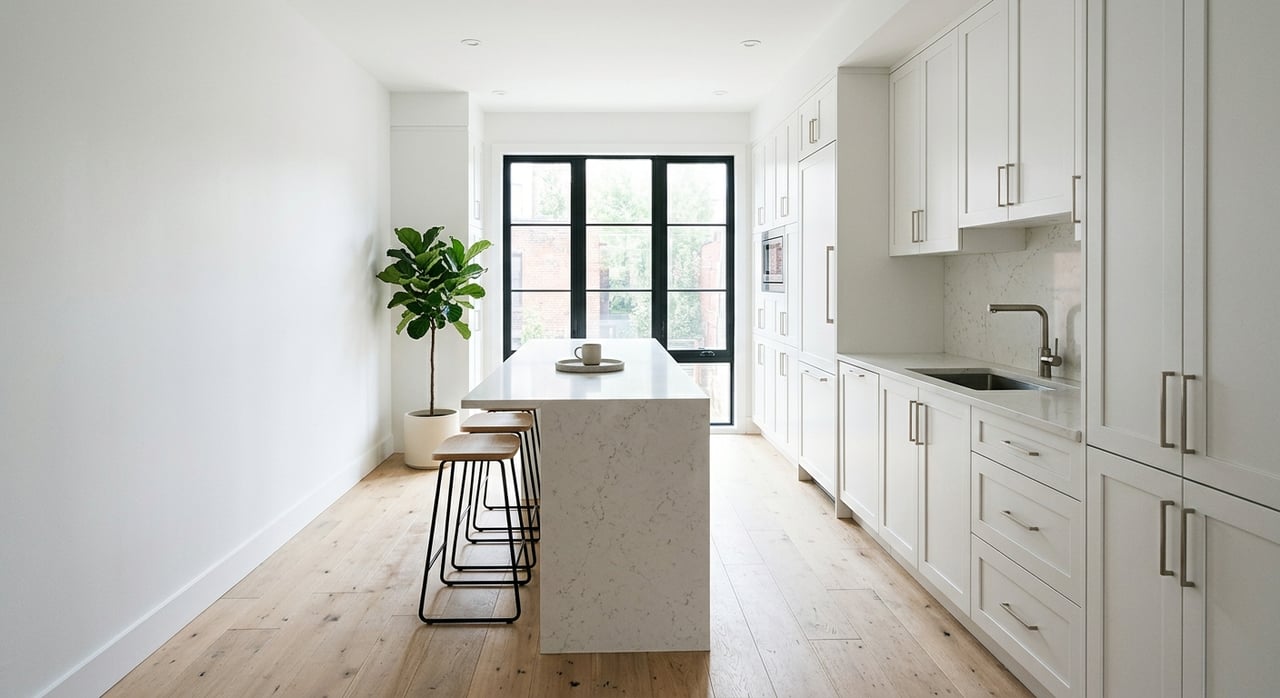
In District 203 homes, a kitchen often needs better presentation more than a new footprint. If the layout works reasonably well, you can often create a strong resale signal through finish-level updates instead of major construction.
High-impact kitchen improvements may include:
- Painting cabinetry or replacing outdated fronts
- Installing new hardware
- Updating countertops
- Swapping in a cleaner, more current backsplash
- Replacing dated faucets and sink fixtures
- Improving lighting
- Updating appliances if older units stand out
This is where a design-forward but restrained approach tends to win. Buyers usually respond well to kitchens that feel bright, simple, and cohesive, especially when the materials feel current without becoming too specific or trendy.
Modernize bathrooms with restraint
Bathrooms also matter, but the data suggests a measured approach. NAR estimates 50% cost recovery for a bathroom renovation and 56% for a bathroom addition. That means a polished update to an existing bath often makes more sense than adding square footage just before listing.
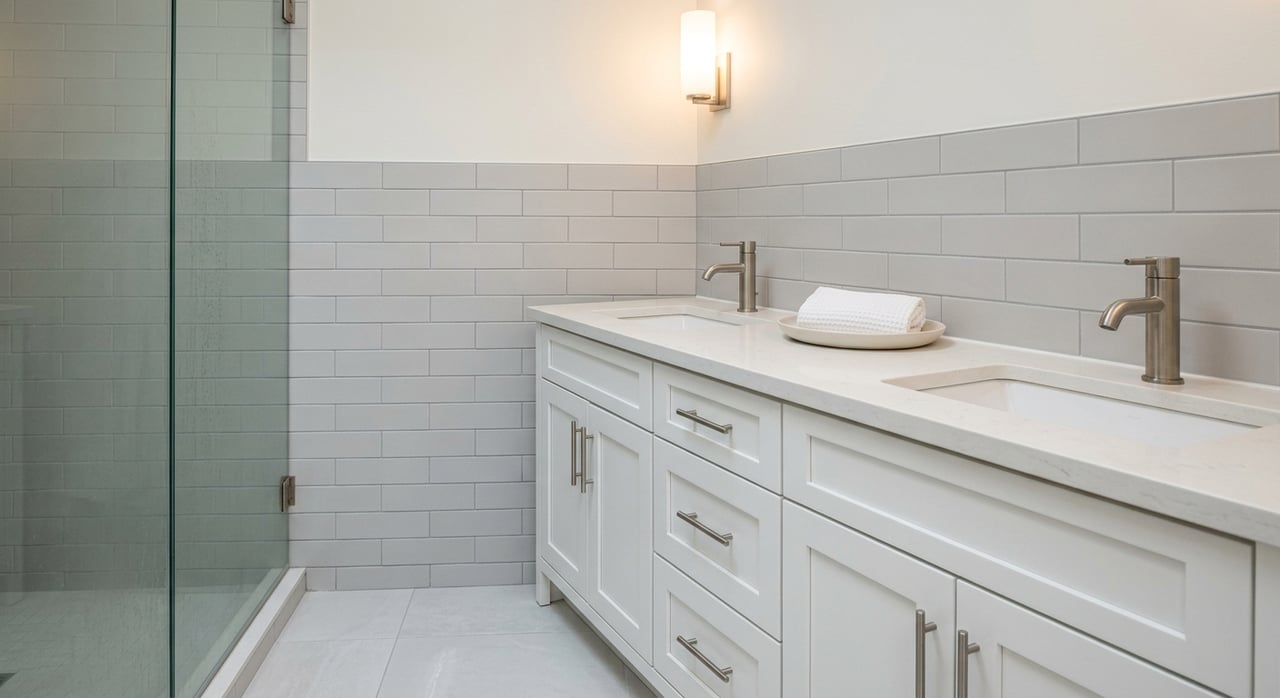
If your bathrooms look visibly dated, this is a smart category to address. Focus on cleanliness, finish consistency, and functionality over luxury extras that may not move your sale price enough to justify the spend.
Smart bathroom updates often include:
- Replacing old vanity tops
- Updating faucets and shower trim
- Installing new mirrors and lighting
- Regrouting tile or replacing damaged tile
- Replacing worn flooring
- Painting cabinetry or walls
- Adding frameless or cleaner-lined glass where appropriate
The goal is a bathroom that feels fresh and easy to maintain. In many Naperville homes, that is more valuable than trying to create a spa-like showpiece.
Flooring and paint can change everything
Some of the highest-impact seller updates are also the easiest for buyers to notice right away. NAR reports that painting the entire home, or at least key rooms, is among the most common seller-prep recommendations. The report also places new wood flooring among top homeowner-satisfaction projects.
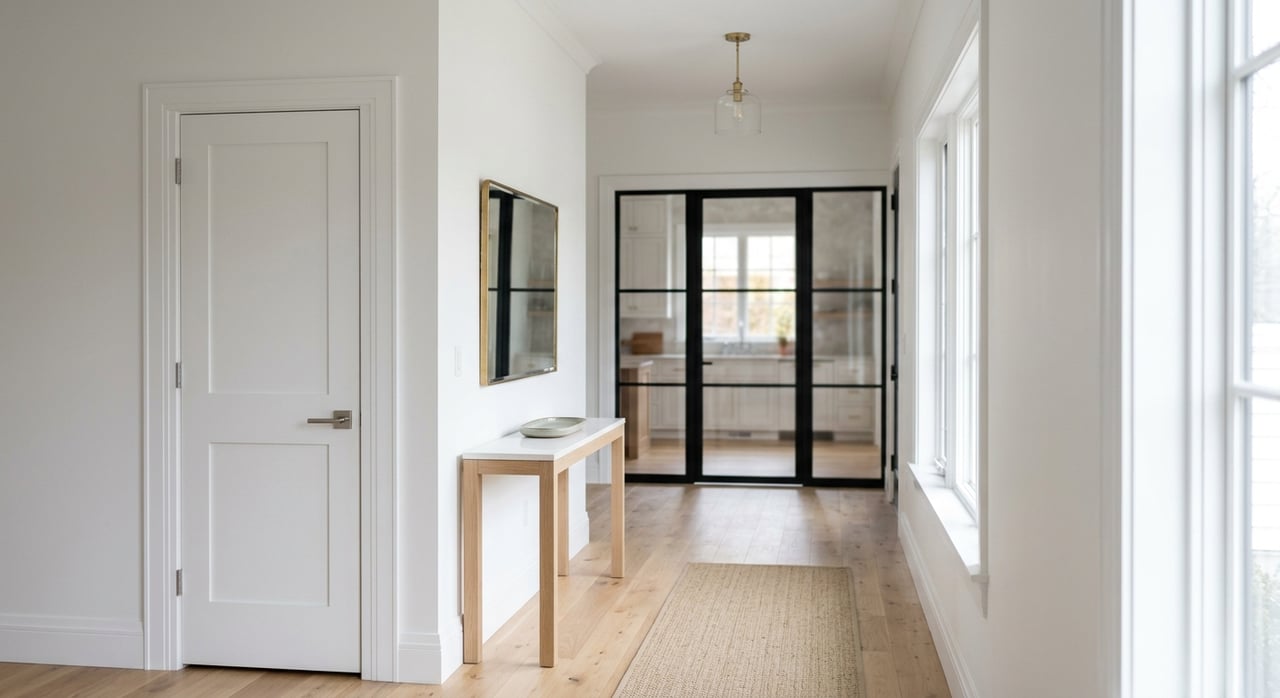
In real-world terms, flooring and paint shape the feel of the entire house. Scuffed walls, patchy touch-up paint, worn carpet, and mismatched floors can make even a good floor plan feel tired.
If you want maximum visual payoff, prioritize:
- Consistent paint color throughout main living spaces
- Removal or replacement of visibly worn carpet
- Refinishing existing wood floors if possible
- Installing new wood flooring in key areas when needed
- Reducing abrupt flooring transitions between rooms
These changes help photography, in-person showings, and buyer confidence. They also support the design continuity that premium buyers often expect.
Improve curb appeal at the entry
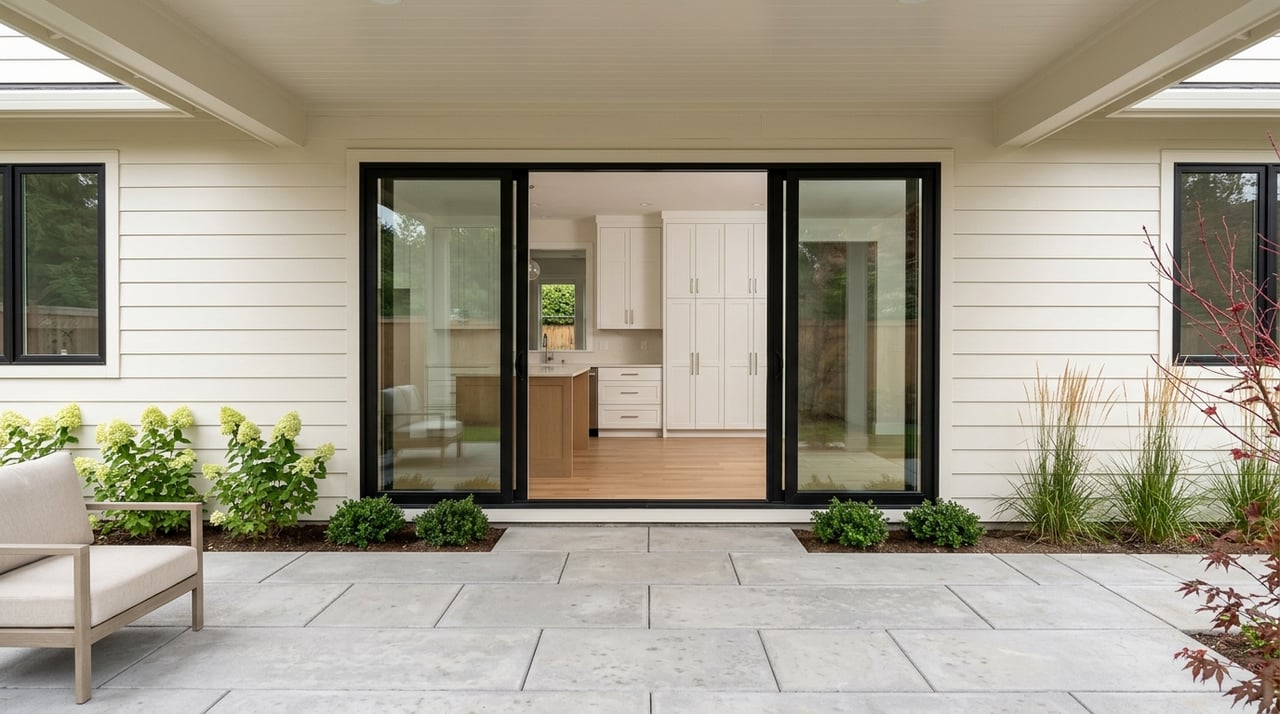
Exterior presentation matters because buyers form opinions before they walk inside. NAR’s 2025 data shows especially strong cost recovery for certain front-of-house improvements, including 100% for a new steel front door and 80% for a new fiberglass front door. Vinyl windows recover 74%, while wood windows recover 71%.
That does not mean every seller should replace every exterior component. It does mean the front elevation deserves attention, especially if your home’s entry feels dated or neglected.
A smart exterior refresh may include:
- Painting or replacing the front door
- Updating house numbers and exterior lighting
- Refreshing trim paint where needed
- Repairing visible siding damage
- Replacing worn windows if they materially affect appearance or function
- Cleaning walks, stoops, and hardscape
Roof condition also matters. NAR members report increased demand for new roofing, and roof condition is commonly prioritized before listing. If your roof shows visible wear, it is worth evaluating early in the process.
Choose function over expansion
If your home already has enough square footage, improving how it lives can be more effective than making it larger. NAR ranks closet renovation at 83% estimated cost recovery, basement conversion to living area at 71%, and attic conversion at 67%, all ahead of a new primary suite addition at 54%.
That is a useful lens for District 203 sellers. In many cases, the better investment is not a major addition. It is making the existing layout feel more useful, organized, and efficient.
Functional upgrades to consider include:
- Better closet systems
- Cleaner mudroom or drop-zone storage
- Basement finishing or refresh, if unfinished or dated
- Removing awkward built-ins that limit furniture placement
- Improving laundry-room utility and appearance
- Simplifying overly chopped-up circulation patterns where feasible
These changes can help your home feel easier to live in, which is exactly what many buyers are trying to assess during a showing.
Know Naperville permit timing
If you are planning pre-listing work in Naperville, timing matters. The City requires building permits before new construction, additions, and remodeling. Residential room additions and alterations, including basement build-outs, require permits before work begins.
That is one reason cosmetic updates are often easier to manage before a sale. Paint, flooring, hardware, lighting, and similar finish work can usually move faster than projects that affect structure, footprint, or major exterior systems.
Naperville also updated its building-code framework on February 17, 2026. New permits submitted on or after April 1, 2026 must follow the 2024 ICC codes. If your project goes beyond cosmetic work, that can affect schedule and planning.
There is also an important exterior exception. The City says a permit is not required to replace common damaged or deteriorating roofing and siding materials on single-family homes, including vinyl, aluminum, or cement-board siding and asphalt composite shingles, as long as the existing roof sheathing remains in place. More specialized exterior finishes, such as stone veneer or metal roofing, still require a permit.
A practical renovation order for sellers
If you want a simple framework, start with the updates that reduce objections and improve presentation the fastest. From there, move into the rooms that buyers judge most closely.
A practical order for many District 203 sellers looks like this:
- Fix deferred maintenance
- Repaint key areas or the whole home
- Refresh or replace flooring
- Update kitchen finishes at a midrange level
- Modernize bathrooms
- Improve the front entry and curb appeal
- Consider storage or layout enhancements
- Save large additions for cases where comparable sales clearly support them
This approach aligns with the local housing profile and the broader remodeling data. It also helps you avoid sinking too much money into highly customized work that may not improve buyer response.
Why this strategy fits District 203 sellers
In a market like Naperville, broad appeal often beats personal taste. Many homes already have the size and location buyers want. What determines momentum is whether the home feels current, clean, and easy to move into.
That is especially true in neighborhoods with a large share of homes from the 1980 to 1999 period. Buyers often accept an established floor plan, but they are much less forgiving of tired finishes and visible wear.
The best pre-sale renovation plan is usually the one that creates confidence. When your home looks maintained, updated, and thoughtfully presented, buyers can focus on the home itself instead of building a mental repair list.
If you want help deciding which updates are worth doing before you list, Sachs Design + Develop brings a design-minded, technically grounded perspective to renovation strategy, pricing, and market preparation in Naperville.
FAQs
What renovations matter most before selling a home in Naperville District 203?
- The most important updates are usually deferred maintenance, paint, flooring, kitchen refreshes, bathroom updates, and front-entry curb appeal improvements.
Should you remodel the kitchen before listing a home in 60565?
- In many cases, a midrange kitchen refresh makes more sense than a full remodel, especially if the layout already works well.
Do bathroom additions help resale in Naperville?
- Bathroom additions can add value in some cases, but the data suggests many sellers are better served by modernizing existing baths instead of adding square footage.
Do you need a permit for pre-listing renovations in Naperville?
- Naperville requires permits for new construction, additions, and remodeling, including residential alterations and basement build-outs, so scope and timing should be reviewed early.
Can you replace a roof or siding in Naperville without a permit?
- In some cases, yes. The City says common replacement of damaged or deteriorated roofing and siding materials on single-family homes may not require a permit if the existing roof sheathing remains in place.
What is the best renovation budget strategy for District 203 sellers?
- A practical strategy is to fix condition issues first, then improve paint, floors, kitchens, baths, and curb appeal before considering larger projects.